
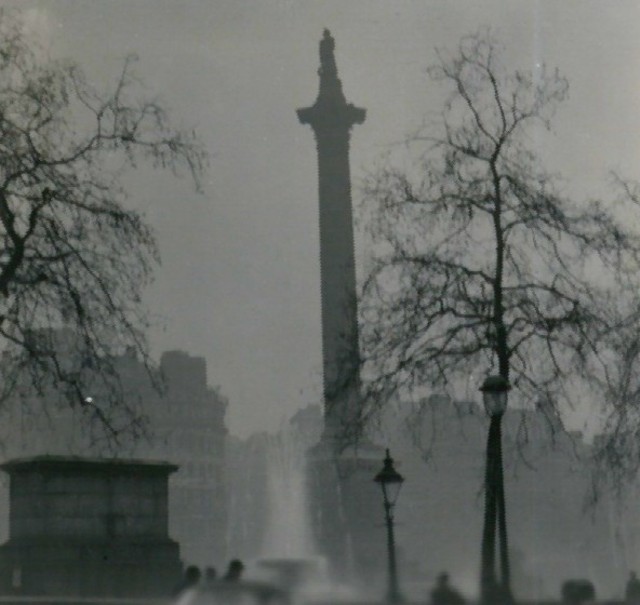
The Great Fog of London that occurred in December 1952, wreaked havoc in the city and left thousands dead. Here is how events unfolded during those 5 days.
During the 5 days of horror in December 1952, smog smothered London, bringing with it horror and killing thousands of residents in its wake. During this period, London used to depend on coal for its energy needs, such as heating homes and generating power. This resulted in cold air stagnating over the city due to an anticyclone, thus resulting in the Great Fog of London.

When the fog turned to smog
When fog combines with smoke, it produces smog. However, this was not a new occurrence in London as it would happen from time to time. Nonetheless, this fog thickened quickly unlike anything ever experienced. It was a result of high-pressure weather stalling, which resulted in a temperature inversion. This is when cold air at ground level is trapped by the warm air above. This prevented smoke from the coal from rising, and with no breeze, it had nowhere to go, thus resulting in a cloud of smog that would last for 5 days.
Effects
The great smog crippled transportation because of poor visibility. In some sections, residents could not even see their feet as they walked. The situation was further worsened with greasy black ooze stuck to the ground, making it slippery and dangerous. Authorities had to caution parents to minimize movement and keep their children at home. The air would blacken those going outside, making them look like coal miners.
Aftermath
Due to the devastation of the Great Fog of London, the Clean Air Act of 1956 restricted the burning of coal in urban areas.
For 5 days, a deadly cloud of fog trapped London, and with it brought death, choking thousands in its wake.
By N T Stobbs, CC BY-SA 2.0, https://commons.wikimedia.org/w/index.php?curid=4094275
 Thai food with love
Leave a comment